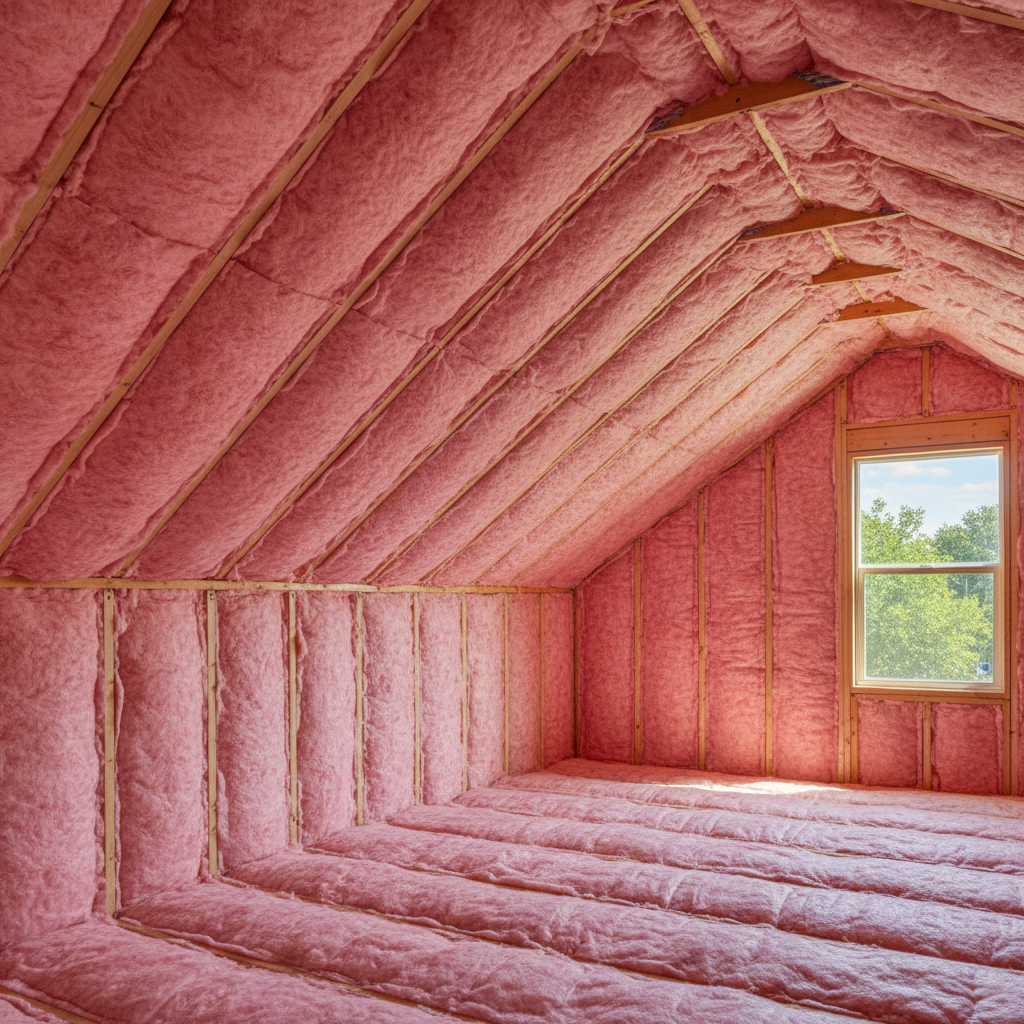
So, you're thinking about batt insulation for your home right here in Converse. Smart move – it's a solid, budget-friendly option that's been around forever, and for good reason. But once you start getting quotes, it can feel like you're trying to compare apples and oranges. What should you really expect to pay? Let's talk about it.
What Makes Batt Insulation Prices Go Up or Down?
It's not just a flat rate per square foot, even though some folks might try to sell it that way. A few big things really push the price one way or the other:
- The Type of Batt: Fiberglass is the most common, usually the cheapest too. Mineral wool (rock wool) is denser, gives you better soundproofing and fire resistance, but it costs more. Cotton or denim batts are eco-friendly choices, though they're also pricier. Most homes around here, especially the newer ones in spots like Meadow Creek, typically use fiberglass.
- R-Value: This is a huge factor. R-value tells you how well the insulation stops heat from moving through it. A higher R-value means thicker batts, more material, and yep, more cost. For attics, you're probably looking at R-30 to R-49; walls might be R-13 or R-19. Don't skimp on R-value, especially with our scorching Texas summers. It truly pays for itself in energy savings.
- Accessibility: This one's a big deal for labor costs. Is it an open attic where my crew can just roll it out and cut it in? Or are we crawling through a tight, dusty crawl space, or maybe trying to squeeze into wall cavities in an older home that's already Sheetrocked? The harder it is to reach the space, the more time and effort it takes, and that'll definitely show up in the quote.
- Removal of Old Insulation: If you've got old, damaged, or even contaminated insulation that needs to come out first, that's an extra charge. It means bagging it up, getting it out safely, and proper disposal. It’s not exactly glamorous work, and it adds to the total project cost.
- Project Size: Bigger jobs often get a slightly better per-square-foot rate because of economies of scale. Smaller jobs might have a higher minimum charge just to cover setup and travel.
- Prep Work & Air Sealing: A good insulation job isn't just about laying down batts. We'll often suggest air sealing around things like electrical wires and plumbing stacks before insulating. This stops air leaks, which are basically energy vampires. It's an extra step, but it makes your insulation work a whole lot better.
Typical Cost Ranges in Converse, TX
Alright, let's get down to some actual numbers. Remember, these are averages; your specific project might be a little different. These prices generally cover material and labor for installation, but not necessarily old insulation removal or extensive air sealing – those would be separate line items.
- Attic (Fiberglass Batts, R-30 to R-38): You're usually looking at about $0.90 to $1.50 per square foot. If it's a straightforward attic with easy access, it'll be on the lower end. If we're dealing with lots of obstructions or limited headroom, it'll creep up.
- Walls (Fiberglass Batts, R-13 to R-19): For open wall cavities (like during new construction or a big remodel), expect $0.70 to $1.20 per square foot. If we're talking about insulating existing walls without ripping out drywall, that's a completely different situation, often needing blown-in insulation, which isn't batt.
- Crawl Spaces (Fiberglass Batts, R-19): These can be trickier because of access and moisture worries. You might see prices from $1.10 to $1.80 per square foot, especially if we need to handle any moisture issues first.
So, for a typical 1,800 sq ft home in Converse needing an R-38 attic upgrade, you could be looking at anywhere from $1,620 to $2,700 for the insulation itself. If you add old insulation removal, that could be another $500 to $1,500, depending on how much there is and what condition it's in.
What Should a Good Quote Include?
When you get a quote from Coastal Insulation or any other reputable contractor, it needs to be clear and detailed. Here's what you want to see:
- Specific R-Value: It should clearly state the R-value of the insulation they're installing.
- Material Type: Fiberglass batt, mineral wool, etc.
- Total Square Footage: The exact area getting insulated.
- Preparation Work: Does it include air sealing around penetrations? Is any light framing or blocking necessary?
- Old Insulation Removal: If this applies to your home, it should be a separate line item with its own cost.
- Cleanup: What's the plan for tidying up after the job?
- Warranty: What kind of warranty do they offer on their work?
- Total Cost: Obviously, the final price, with no hidden fees.
How to Avoid Overpaying
Nobody wants to get ripped off, especially when you're putting money into your home. Here are my tips:
- Get Multiple Quotes: This is Insulation 101, folks. Get at least three quotes from different, reputable companies. It helps you understand the going rate and spot any really high or low bids.
- Compare Apples to Apples: Make sure each quote specifies the same R-value and type of insulation. If one company quotes R-19 and another R-38, they're just not comparable.
- Ask About Experience: How long have they been doing this? Do they focus on residential work?
- Check References & Reviews: Look at their Google reviews, ask for local references. A good contractor will have plenty of happy customers.
- Don't Go for the Absolute Cheapest: The lowest bid often means corners are getting cut, either in material quality, R-value, or how they install it. You'll end up paying for it later with higher energy bills or having to redo the job.
- Understand the Scope: Make sure you and the contractor are totally on the same page about exactly what's being done. Which areas are getting insulated? What's *not* included?
Batt insulation is a smart investment for your Converse home. By understanding these factors and knowing what to look for, you'll be able to get a fair price and a job that keeps your home comfortable and your energy bills down.