So, you're thinking about getting new insulation. That's a smart move for any home here in Converse. But before we can put in the fresh stuff, the old, worn-out insulation often has to go. When's the best time to do that, though? It's not just about when you're free; the weather and even the time of year play a big role in making sure the job goes smoothly and you get the most out of your investment, you know?
When to Schedule Insulation Removal in Converse
Honestly, there's no single perfect day for this kind of work, but some times are definitely better than others. For us here in Converse, spring and fall are usually your best bets. Why? Because the extreme heat of summer and those occasional cold snaps we get in winter can make the work tougher, and sometimes even riskier, for the crew.
Just think about it: trying to haul out old, dusty insulation from an attic when it's 100 degrees outside, and even hotter up there? That's brutal on the guys, and it can really slow things down. Plus, if we're dealing with a lot of moisture or mold, those conditions can make it even worse. Same goes for freezing temperatures; while less common here, working in an unheated attic or crawl space in the dead of winter isn't exactly ideal.
Spring (March to May) and early fall (September to November) usually offer more moderate temperatures. It's warm enough for things to dry out if there's been any moisture, but not so hot that the attic turns into an oven. This means the crew can work more efficiently, and we can often get the job done quicker and more effectively for you. It's a win-win.
How Weather Conditions Affect the Work
Beyond just temperature, other weather conditions really matter when we're talking about insulation removal. Here's what I keep an eye on:
- Rain and Humidity: This is a big one. If your old insulation is wet—whether from a roof leak or just high humidity—it's heavier, messier, and can be a breeding ground for mold. We really prefer to remove insulation when it's dry. If it's been raining a lot, we might need to push back the schedule a bit to let things dry out, especially in older homes around areas like Meadowland Park where rooflines might not be as tight as they once were.
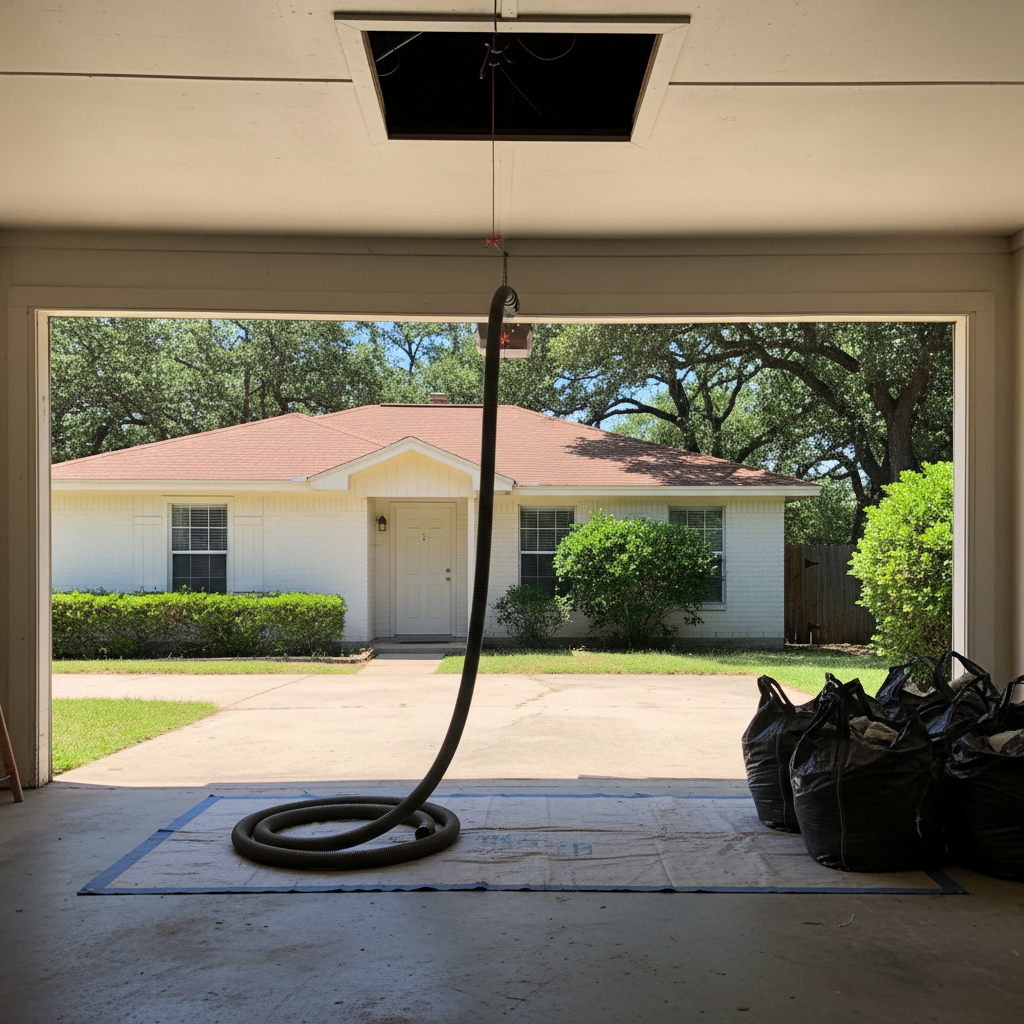
- Wind: High winds can be a real nuisance, especially when we're using large vacuum hoses to pull out loose-fill insulation. It can make containing the dust and debris much harder, even with all our precautions. We want to keep your property as clean as possible, after all.
- Extreme Heat: I mentioned this before, but it's worth repeating. Attics get unbelievably hot here in Texas. If it's scorching outside, the attic can hit 130-140 degrees easily. That's a serious health risk for my crew and makes for a much slower, more difficult job. Sometimes, we'll start earlier in the morning to beat the worst of the heat, but if it's just too hot, we might recommend rescheduling. It's for everyone's safety and to make sure you get a quality job.
Protecting Your Investment Year-Round
Once that old insulation is out and the new, efficient stuff is in, you want to make sure it lasts. Here are a few things you can do year-round to protect your insulation investment:
- Regular Roof Inspections: This is huge. A small leak can ruin a big section of insulation pretty fast. Get your roof checked annually, especially after any major storms. Catching a leak early can save you thousands in repairs and re-insulation down the line.
- Check for Pests: Rodents, insects, and other critters just love to nest in insulation. They compact it, soil it, and reduce its effectiveness. Keep an eye out for signs of pests in your attic or crawl space. If you see droppings or hear scratching, address it immediately. Sealing up entry points around your foundation and eaves is critical.
- Maintain Proper Ventilation: Good attic ventilation helps regulate temperature and moisture. This is key for your insulation's longevity. Make sure your soffit and ridge vents aren't blocked. This is especially important in our humid climate; it helps prevent moisture buildup that can lead to mold and mildew.
- Mind Your HVAC System: Ensure your ducts are sealed and insulated. Leaky ducts running through your attic can waste a lot of energy and also introduce moisture into the attic space if not properly maintained.
At Coastal Insulation, we're all about doing the job right the first time. That means not just installing great insulation, but also advising you on the best practices for removal and long-term care. Don't hesitate to give us a call if you've got questions about your specific situation here in Converse. We're happy to come out and take a look.