Thinking About Open Cell Spray Foam? Here's the Deal.
So, you're looking into open cell spray foam for your home here in Converse. That's a smart move, especially with our Texas heat and those chilly winter snaps we get sometimes. I've seen firsthand how much of a difference good insulation makes, not just in comfort but on your utility bills too. But before you jump in, let's talk about what open cell spray foam is, what it isn't, and what you really need to know before, during, and after the project.
What is Open Cell Spray Foam?
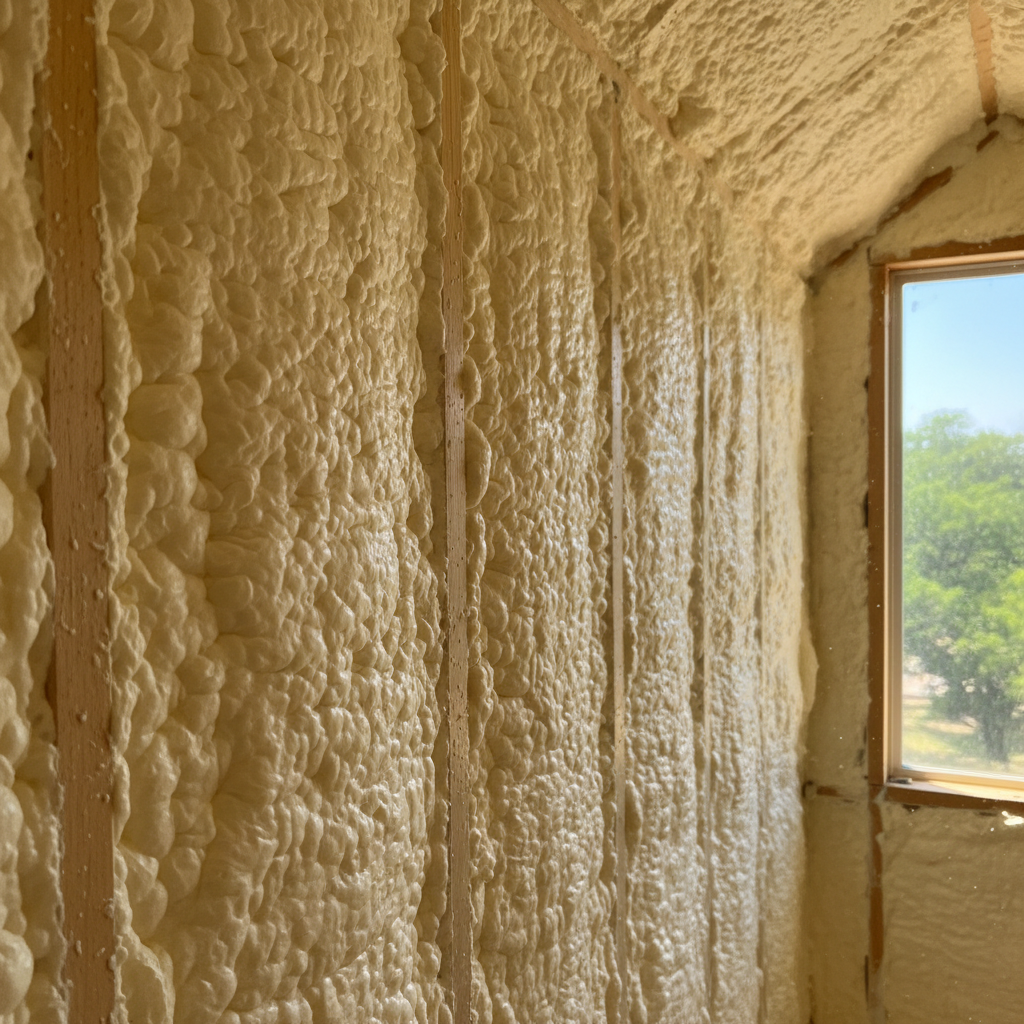
Alright, let's get this straight. Open cell spray foam is a type of insulation that expands quite a bit when it's applied, filling all those little nooks and crannies. It's got an open-cell structure, meaning the tiny cells aren't completely closed off. This makes it lighter, more flexible, and generally more affordable than its cousin, closed-cell foam. It's excellent for sound dampening, which is a big plus if you live near a busy road or just want a quieter home. It's also vapor permeable, meaning it can let moisture pass through it. That's important for attic spaces where you might occasionally get some condensation.
Before the Project: DIY or Pro?
This is where a lot of homeowners get curious. Can you spray open cell foam yourself? The short answer is: technically, yes, you can buy DIY kits. But here's my honest advice as someone who does this for a living: for anything more than a tiny repair or a very small, non-critical area, you really should call a professional. Why? Because getting spray foam right is an art and a science. You need specialized equipment to mix the chemicals correctly, maintain the right temperature, and apply it evenly. If you mess up, you could end up with improperly cured foam that doesn't insulate well, off-gasses, or even worse, causes structural issues if it's too dense in the wrong spot. Plus, the safety gear isn't just for show; those chemicals need to be handled carefully.
What you can do yourself before a pro comes in is excellent prep work. Clear out the area completely. Make sure all surfaces are clean, dry, and free of dust or debris. If you're insulating an attic, check for any existing leaks or moisture problems first – you don't want to trap moisture with new insulation. Cover anything you don't want foam on, like windows, doors, or electrical boxes. Think of it like painting; good prep makes all the difference.
During the Project: What to Expect
When my crew from Coastal Insulation comes out, we're not just showing up with a can of foam. We've got a truck full of equipment, including a proportioner that heats and mixes the two liquid components right before they hit the spray gun. You'll see us in full personal protective equipment – respirators, gloves, suits – and for good reason. The chemicals are reactive during application. We'll ventilate the area thoroughly, and we'll usually recommend that you and your pets stay out of the house for at least 24 hours while the foam cures and any odors dissipate. It's a small inconvenience for a big payoff in comfort and energy savings.
You'll hear the spray gun and see the foam expand rapidly. It's pretty cool to watch, actually. We're looking for full coverage, making sure there are no gaps or thin spots. In places like older homes in neighborhoods like Meadowbrook, where you might have inconsistent stud depths or irregular framing, open cell foam is great because it conforms so well to those unique shapes.
After the Project: Enjoying the Benefits
Once the foam is cured and the air is clear, you'll start noticing the difference right away. Your home will feel more comfortable, with fewer drafts and more consistent temperatures from room to room. Your AC and heater won't have to work as hard, which means lower energy bills. That's money back in your pocket, month after month.
Maintenance for open cell spray foam is pretty minimal. Just make sure it's not exposed to direct sunlight, as UV rays can degrade it over time. If you ever need to run new wiring or plumbing through a foamed area, it's doable but a bit messy. You'll have to cut through the foam, run your lines, and then re-seal the area, often with more foam or a sealant. Again, for anything significant, it's usually best to call a pro to make sure it's done right and you don't compromise your insulation envelope.
So, there you have it. Open cell spray foam is a fantastic insulation choice for many Converse homes. Do your homework, do the prep work you can, and for the actual application, trust a local professional who knows what they're doing. It's an investment that pays off.
```